Early Childhood
Pre-K 2 to 4
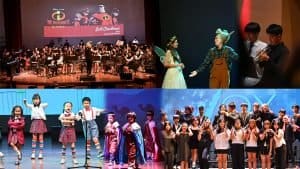
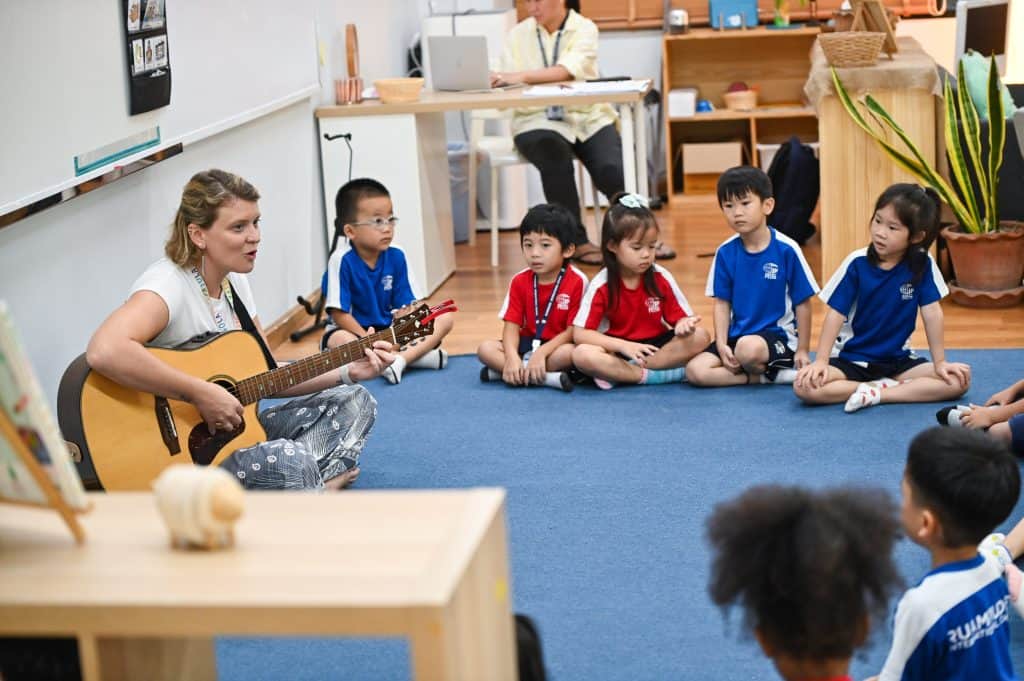
Music at RIS is an engaging and integral part of the Pre-K curriculum. Through song, movement, and rhythmic activities, children explore the foundations of music in a fun and interactive environment. The program is designed to support the development of language, motor skills, and social-emotional growth while fostering a love for music. Teachers follow the Reggio Emilia approach, tailoring music lessons to the children’s interests and developmental stages, ensuring that each child’s unique musical journey is supported.
Elementary School
Kindergarten to Grade 5
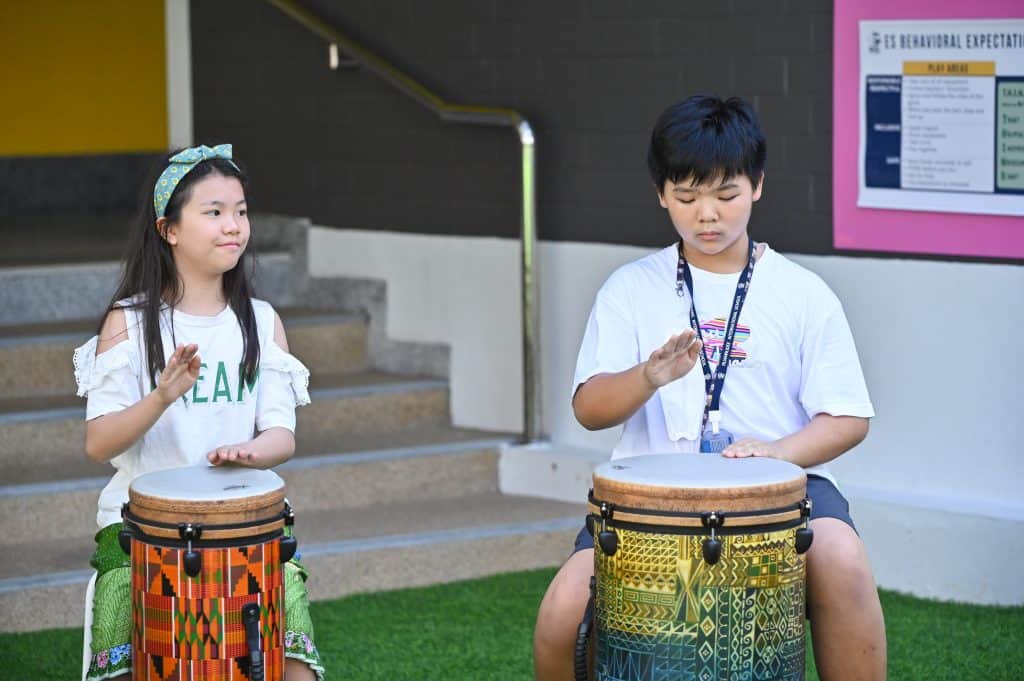
The elementary music program, based on the National Core Arts Standards (NCAS), offers students in Kindergarten through Grade 5 a comprehensive and engaging introduction to music. Beginning in Kindergarten, students explore singing, playing instruments, and movement while learning songs and games from diverse cultures. They develop foundational skills such as recognizing musical contrasts and experimenting with improvisation using their voices and percussion instruments.
As students progress, they deepen their music literacy skills. By Grade 2, they are reading notes on the treble clef, composing simple melodies, and playing more complex pieces on instruments like xylophones and recorders. Ensemble work fosters collaboration, responsive listening, and independence, while a focus on global music traditions broadens their understanding of music’s purpose and power.
In Grades 3 to 5, students transition to advanced concepts, such as harmony, chord building, and polyphonic music. They explore jazz history and improvisation, practice ukulele techniques, and refine their vocal skills with choral arrangements. Through these activities, students synthesize their learning, connecting music theory and performance to their personal interests and creative expression
MIDDLE School
Grades 6-8
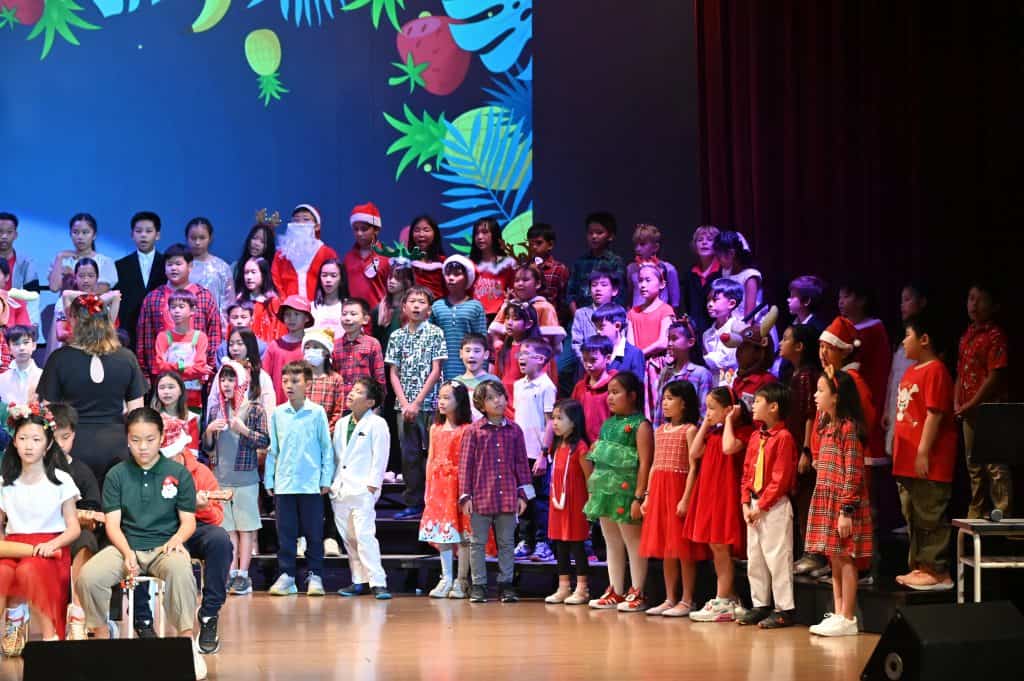
The middle school music program offers students the opportunity to develop their musical talents and deepen their appreciation for the arts. Music is celebrated as a universal language that fosters connection, creativity, and life-long skills such as discipline, resilience, and collaboration. Through courses in Band and Choir, students enhance their musical literacy and performance abilities while enriching the culture of the school.
Sixth-grade students can begin their musical journey by joining Beginning Band or Choir, or by combining both in a year-long course. In Beginning Band, students learn a chosen instrument through ensemble practice and concerts, while Choir emphasizes vocal techniques, harmony, and music literacy. Both options explore music from diverse genres and cultures, with an emphasis on community and teamwork.
Seventh and eighth graders advance to Intermediate Band or Choir, or can combine both courses. Intermediate Band builds on foundational skills with more advanced ensemble work and public performances, while Choir focuses on vocal expression, sight-singing, and small group projects. These courses offer flexibility and growth opportunities, helping students cultivate confidence and artistry as they prepare for future musical endeavors.
HIGH School
Grades 9-8
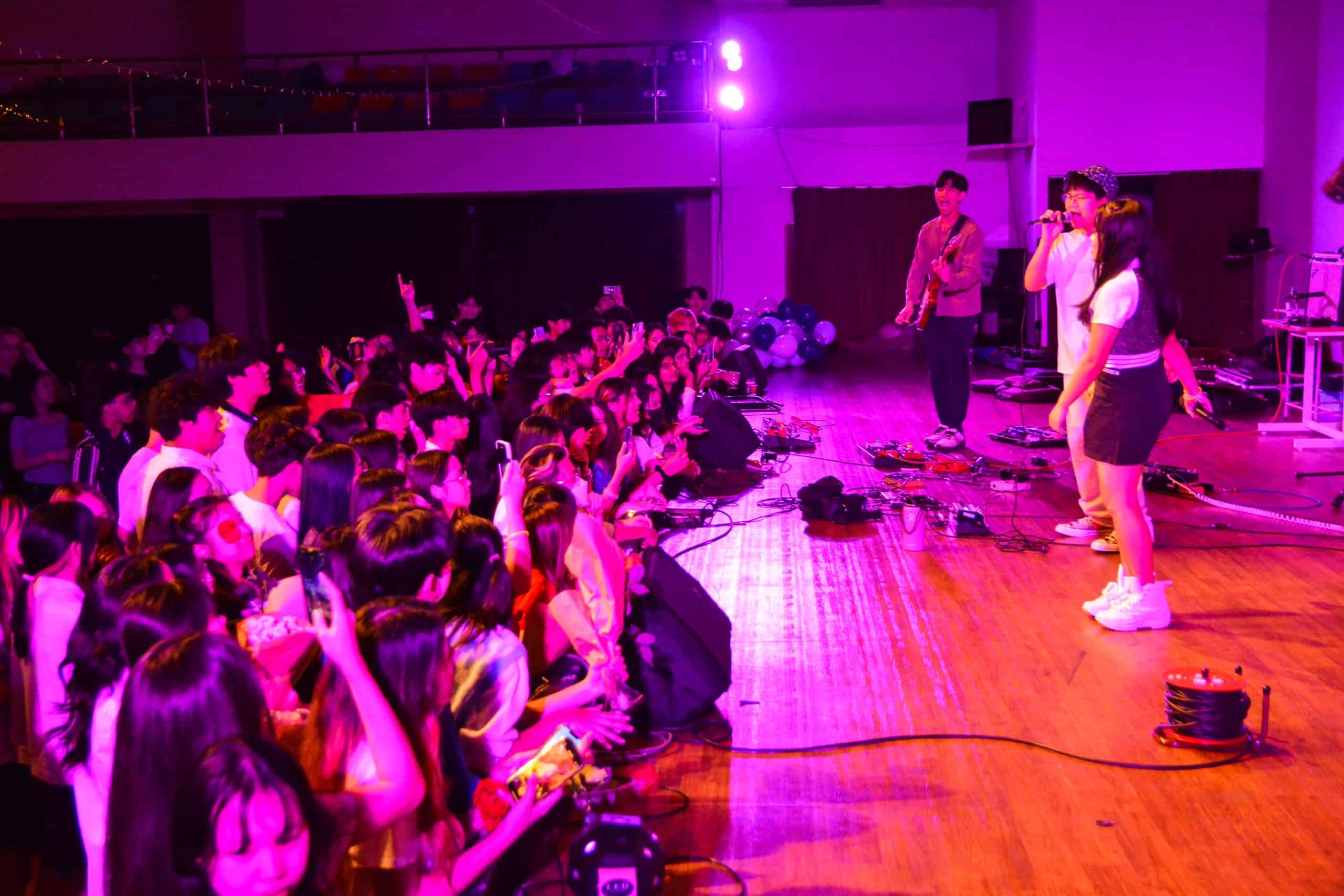
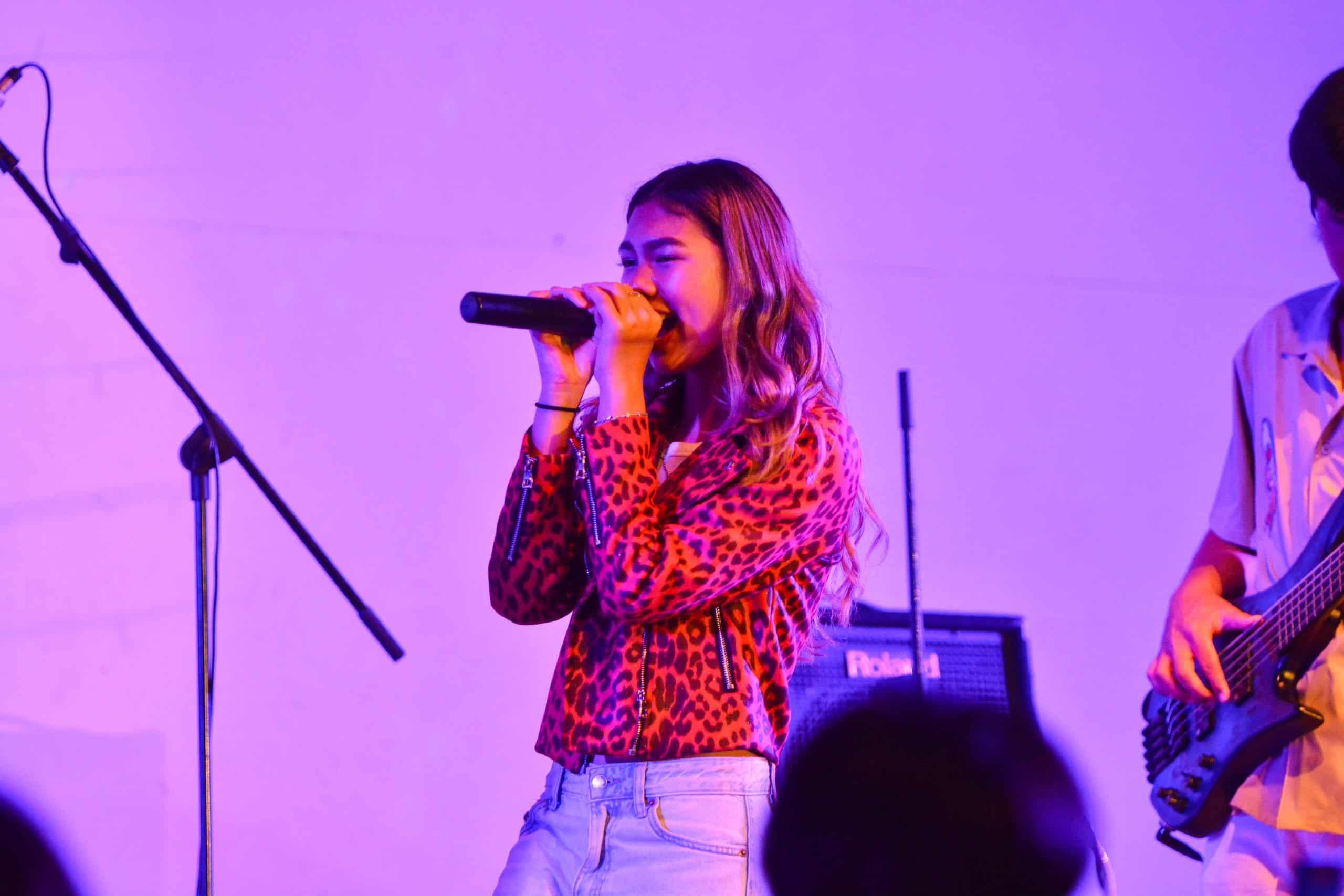
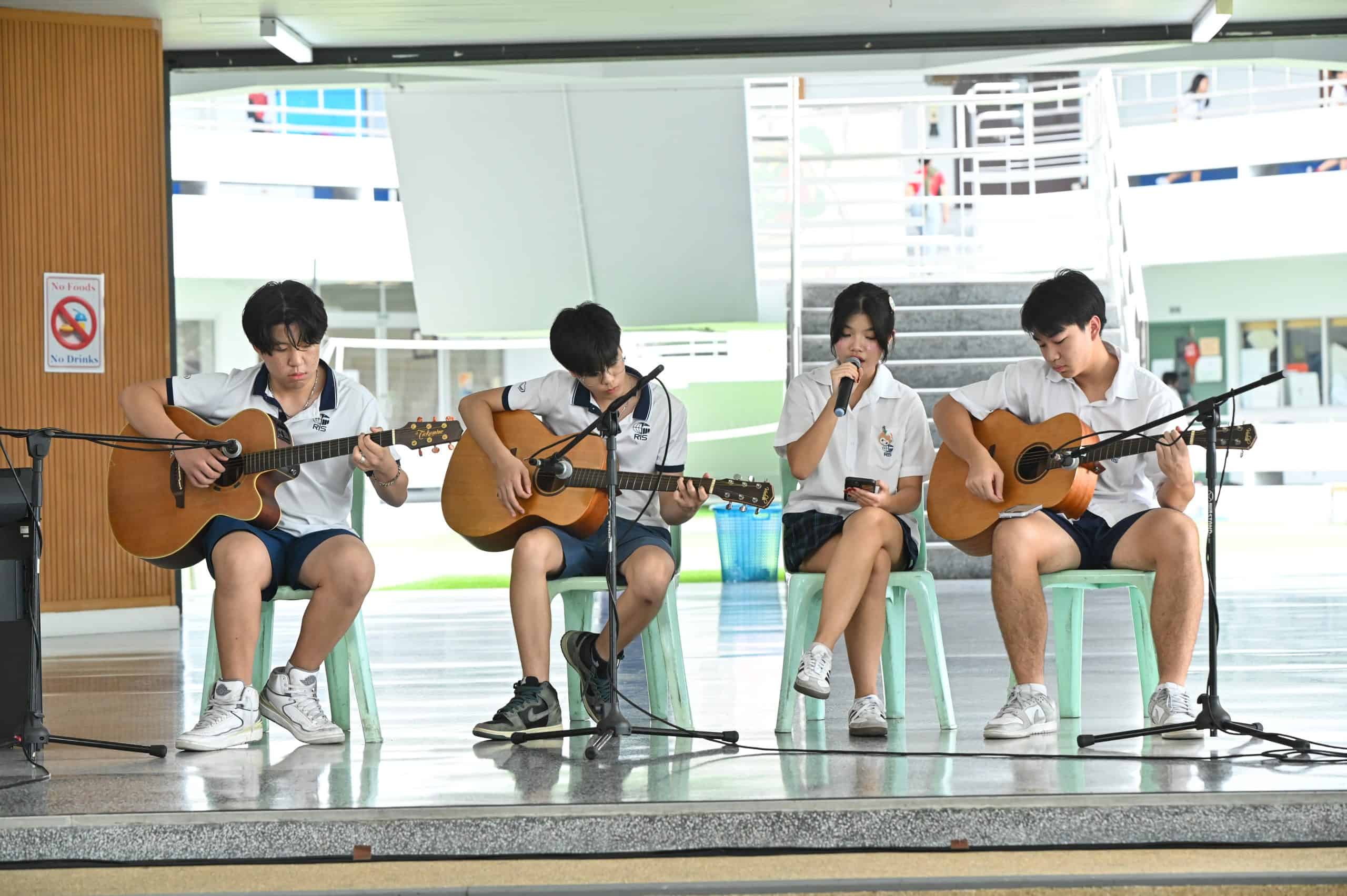
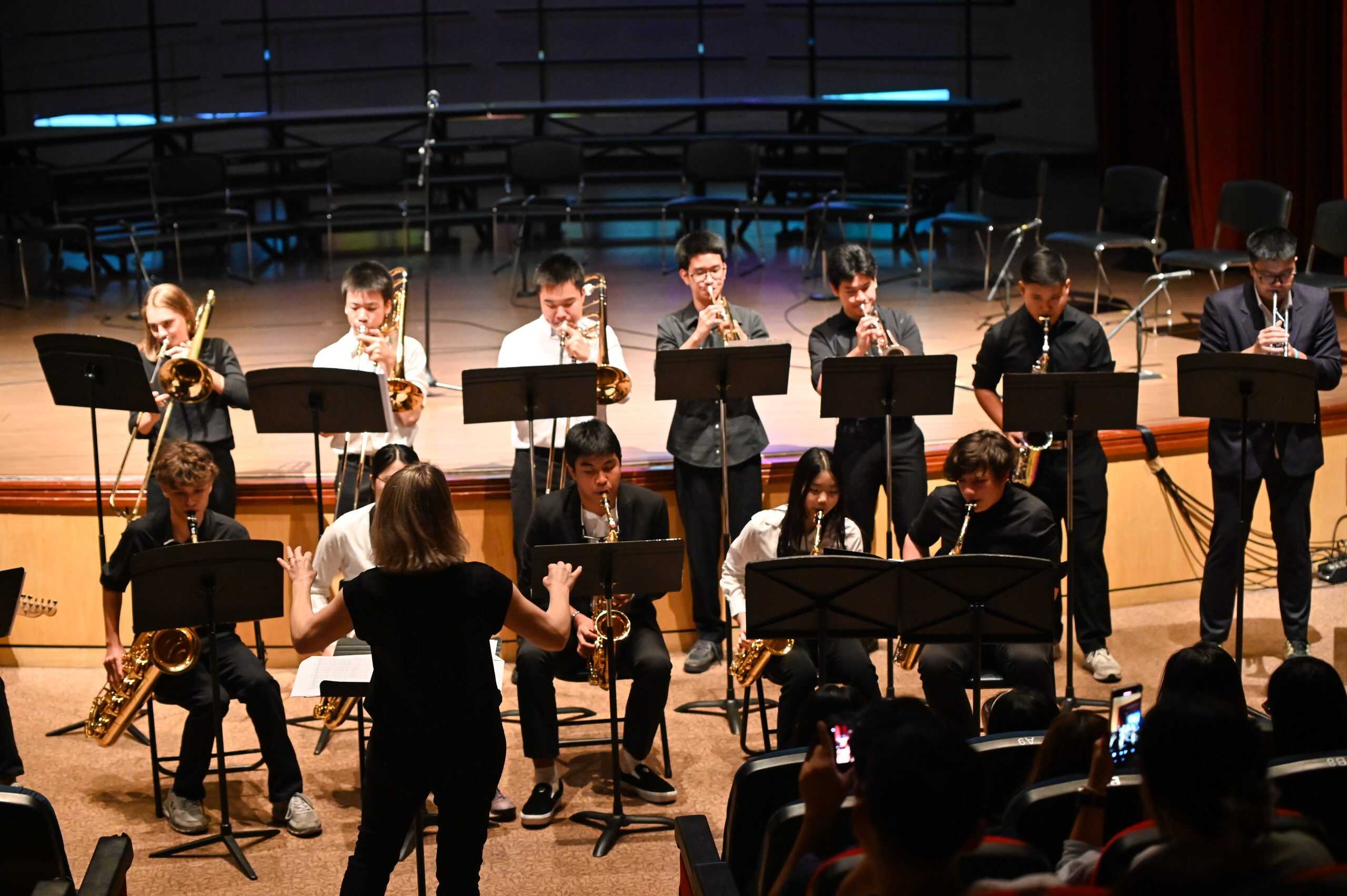
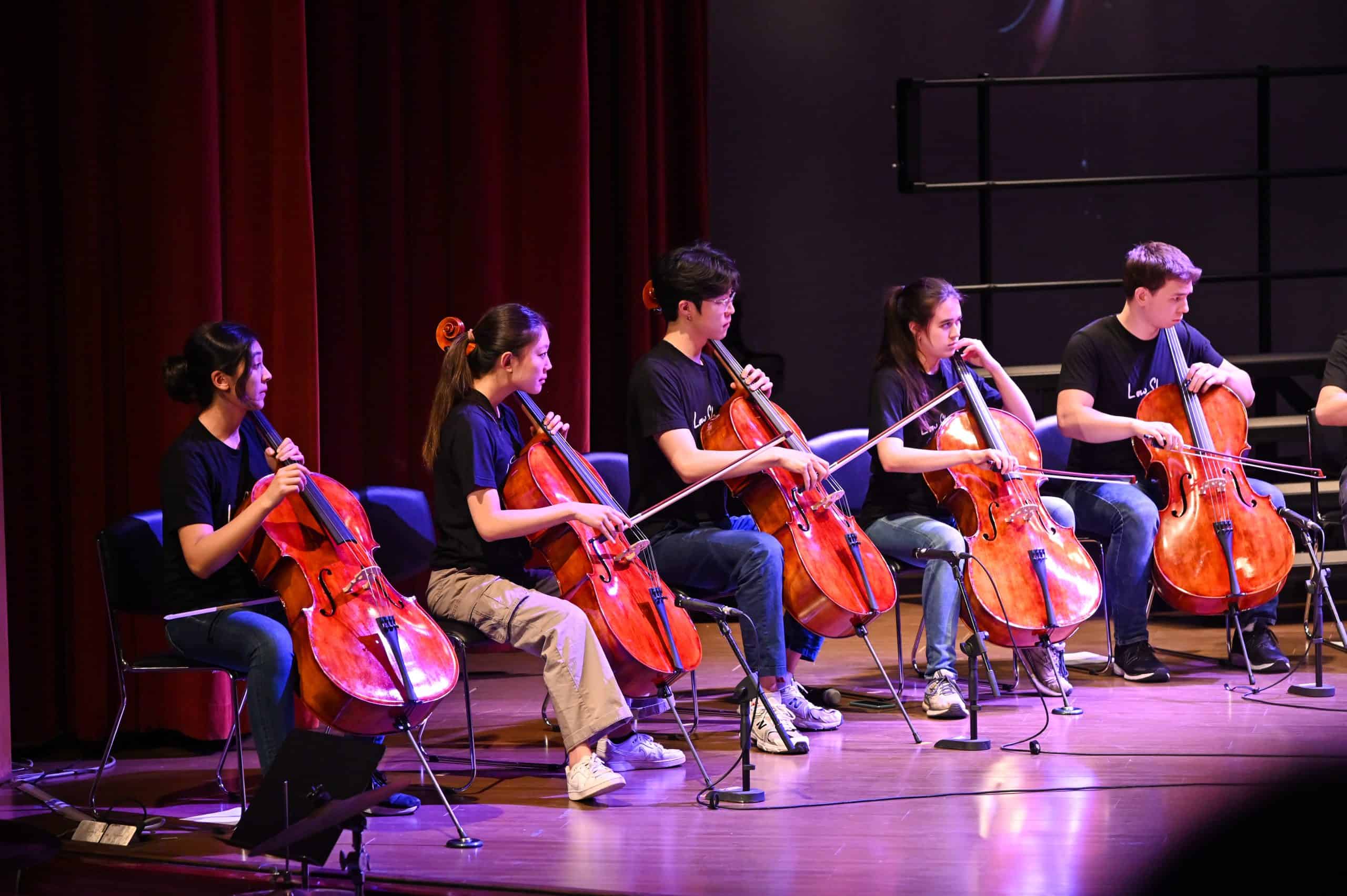
The high school music program offers a rich array of courses designed to foster creativity, collaboration, and musical excellence. Students can choose from performance-based ensembles such as Concert Band, Jazz Band, Symphonic Ensemble, and Choir, providing opportunities to hone instrumental and vocal skills through engaging repertoire and regular performances. For beginners, courses like Beginning Band, Beginner Guitar, and Popular Piano allow students to explore new instruments and foundational music concepts.
Advanced students can take specialized courses like Advanced Concert Band and Vivace Honors Choir, where they refine their skills and participate in challenging projects, solo performances, and competitions. Courses like Thai Music, Thai Classical Dance, and Khon Dance highlight cultural heritage and offer unique opportunities to explore traditional art forms. Students can also blend academic and community engagement through the Thai Research and Service program.
Whether students are aspiring musicians or just exploring their interests, the music program supports their growth with diverse options that nurture discipline, creativity, and a lifelong appreciation for music and culture. Repeated enrollment in performance courses is encouraged to deepen learning and enhance contributions to the school’s vibrant artistic community.
For more information, see:
Elementary School Program of Studies
Middle School Program of Studies
High School Program of Studies