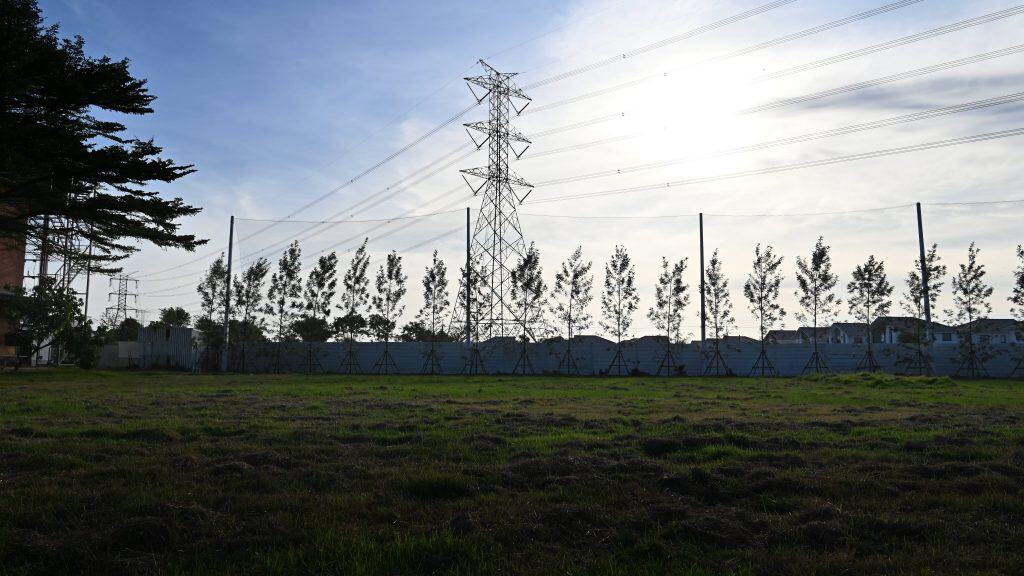
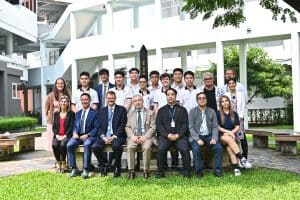
Silver Oak Tree Plantation at RIS Minburi Campus
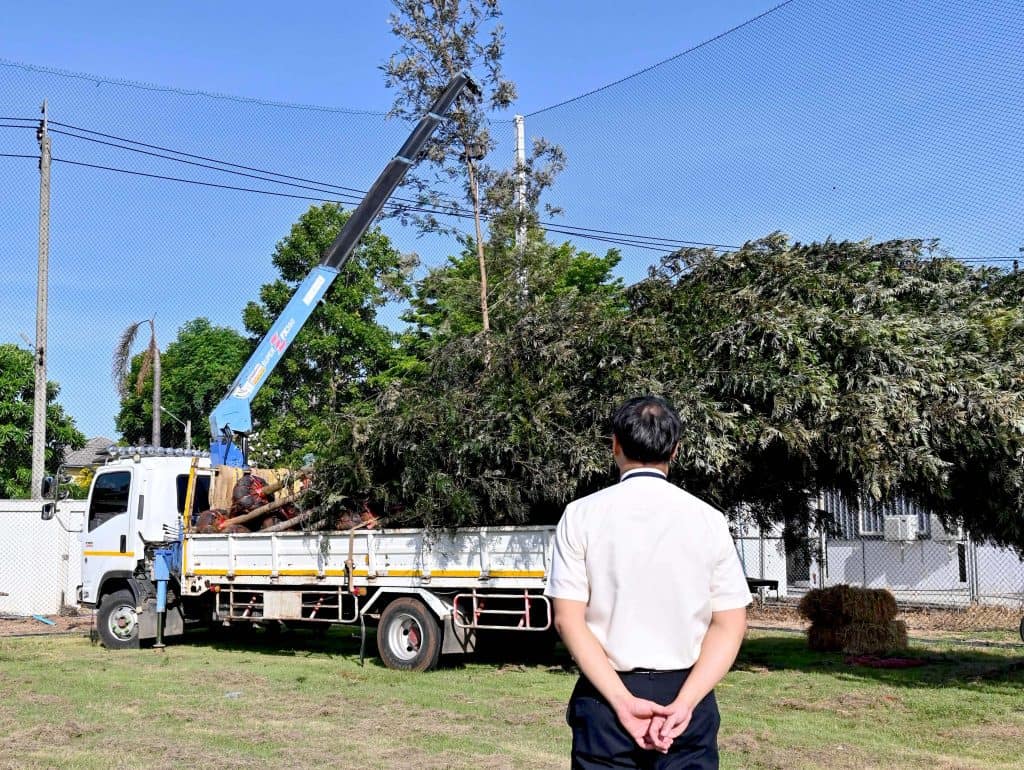
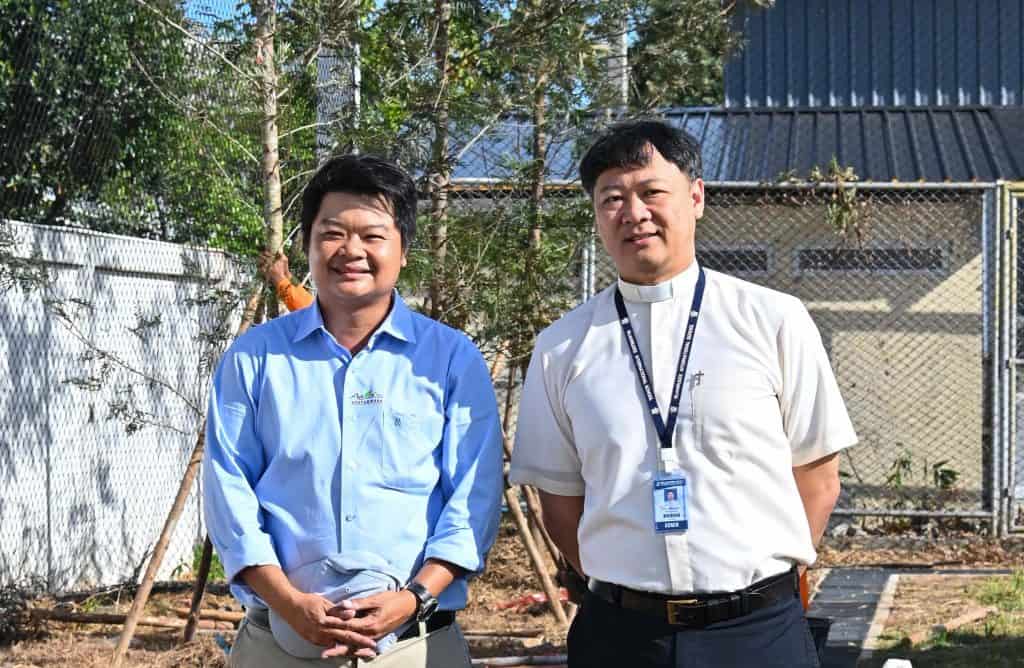
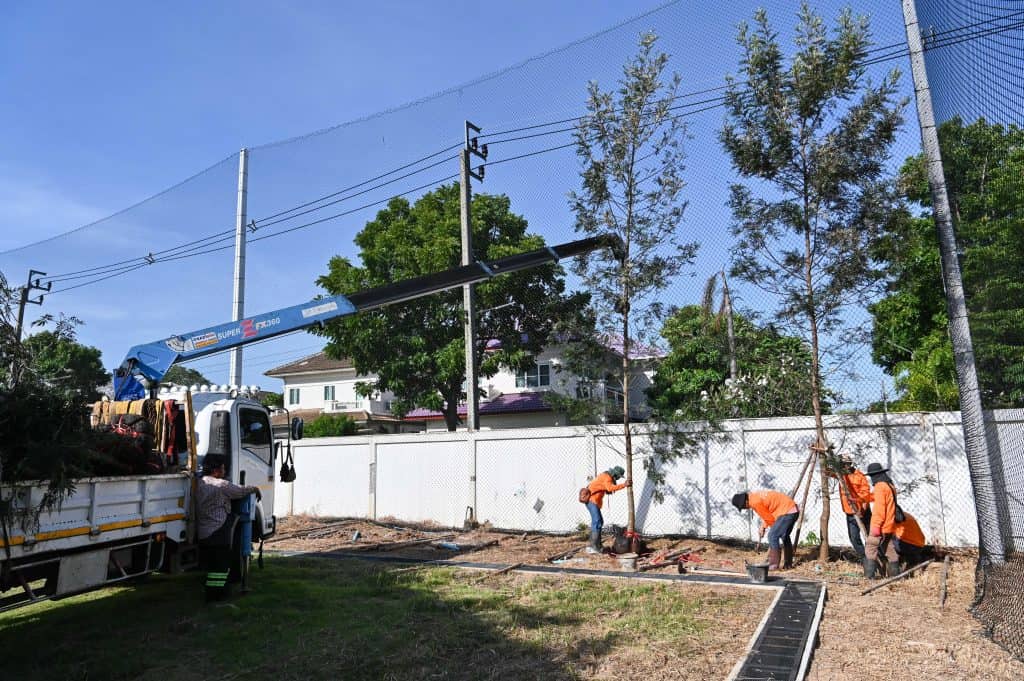
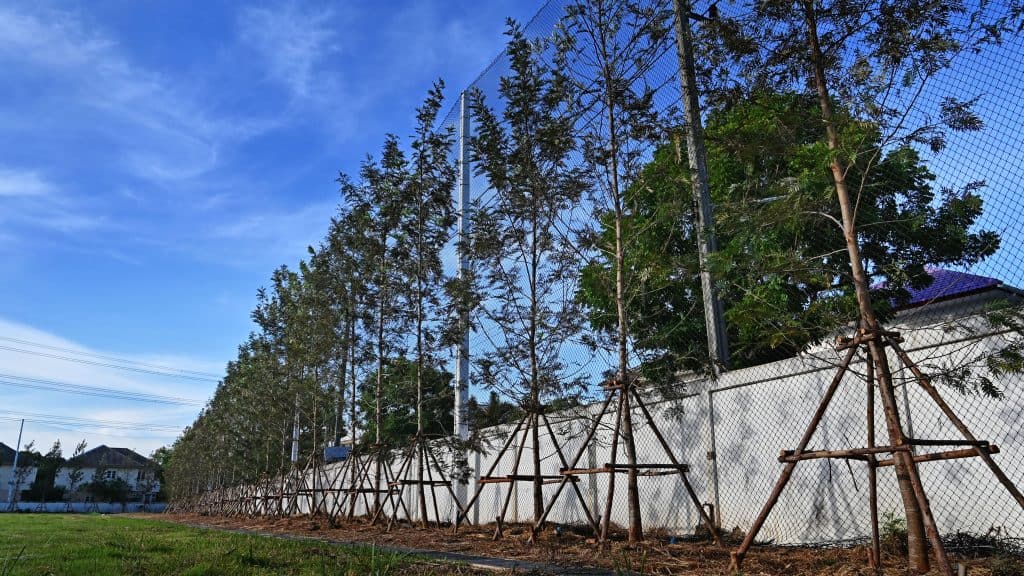
RIS Ruamrudee International School has taken a significant step toward sustainability and environmental stewardship by planting over 100 silver oak trees (Grevillea robusta) at its Minburi campus under the guidance of Rev. Fr. Peter Jittapol Plangklang, C.Ss.R., School Director and Provincial Superior of the Redemptorists Province of Thailand. This initiative aims to create a greener, healthier environment for the school and the broader community.
Why Silver Oak Trees?
The plantation is a strategic effort to combat climate change and enhance biodiversity. Silver oak trees, known for their fast growth and adaptability, offer both ecological and aesthetic benefits. As they grow, these trees absorb and store carbon dioxide (CO₂) in their trunks, branches, and roots, effectively reducing greenhouse gas levels in the atmosphere.
Carbon Credits and Sustainability
This initiative aligns with global efforts to mitigate climate change through carbon credits—a system where one credit represents the reduction or removal of one metric ton of CO₂ or equivalent greenhouse gases. Projects like a silver oak plantation can generate carbon credits, which may be traded or sold to support further environmental initiatives. This approach integrates ecological responsibility with economic sustainability, setting an example for other educational institutions.
A Vision for a Greener Tomorrow
“This project reflects our vision of nurturing future leaders who are also responsible global citizens,” shared Rev. Fr. Jittapol Plangklang, C.Ss.R. “As Pope Francis reminds us in Laudato Si’, our common home calls for bold and united action to safeguard the planet. Planting these silver oaks is one way we are answering that call, combining care for creation with education to inspire responsible stewardship among our students.”
Beyond carbon sequestration, the trees will improve air quality, provide shade, and serve as an educational resource for ecology and conservation studies. This initiative highlights RIS’s commitment to sustainable development and environmental education, motivating the community to take meaningful steps to protect the planet.
ABOUT CARBON CREDITS
Carbon credits are a verified mechanism to offset greenhouse gas emissions through afforestation, renewable energy, and energy efficiency projects. By engaging in carbon credit-generating activities like tree planting, organizations can contribute to a more sustainable future while addressing climate change on a global scale.